A Thought-Provoking Introduction to Future Literacy
About three months ago, I attended a thought-provoking workshop on Future Literacy, led by Hanneke Brakenhoff and Dania Fang at the MIC program at Hanze UAS. That workshop was my first official encounter with this concept, which has changed my attitude and mindset in various ways. One of the key takeaways from that session was the idea that "the future does not exist," highlighting that predictions are merely projections, not certainties. Hanneke emphasized the importance of valuing imagination and the ability to think outside conventional frameworks, proposing that what seems impossible today might become plausible tomorrow.
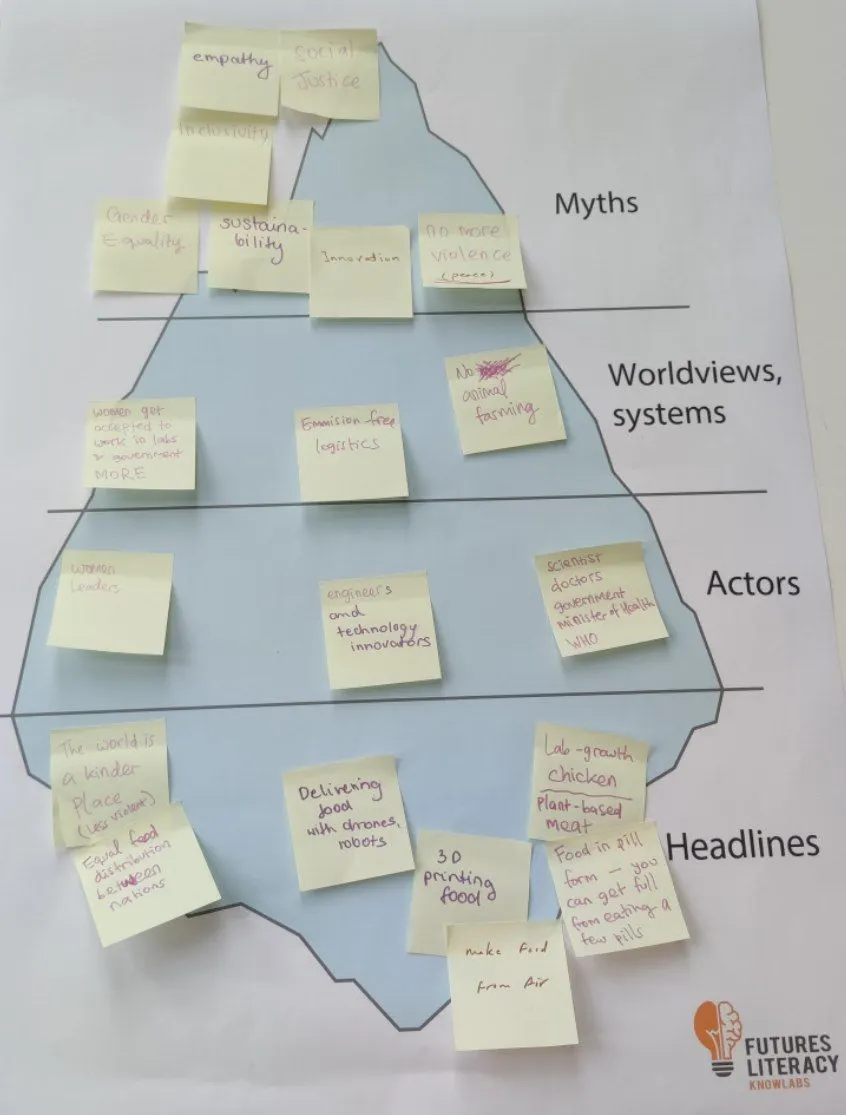
Additionally, they encouraged us to anchor our futuristic thinking in our core myths and values rather than just focusing on headlines. This approach not only broadens our perspective but also roots our forward-thinking in deeper, enduring principles. This workshop has profoundly shifted my outlook on planning and strategic initiatives, prompting me to integrate these insights into my professional development. It was an experience that brought many possibilities to the table and helped me engage with a valuable Future Literacy community.
Insights from the MIC Reconnect Conference
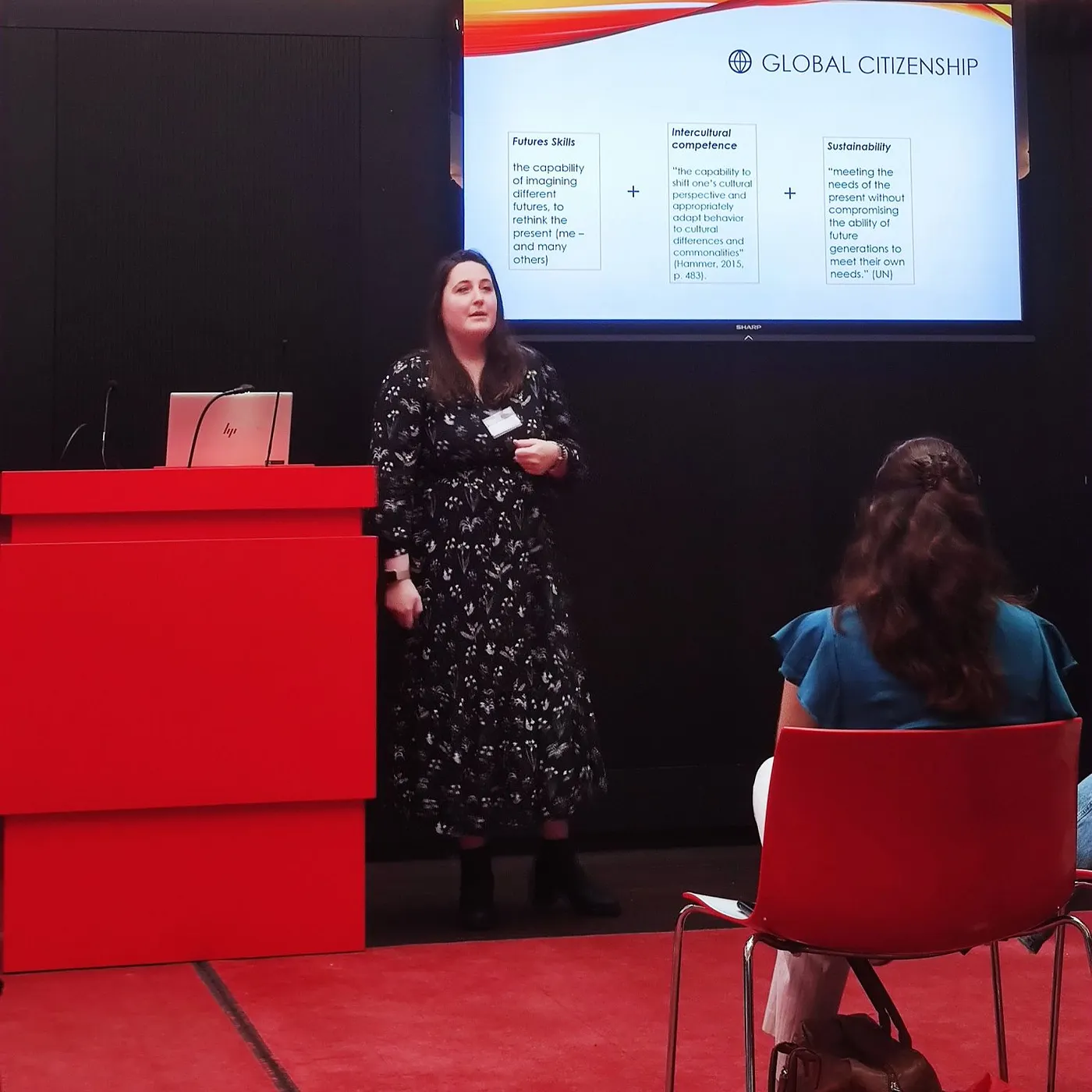
My second experience of engaging in Future Literacy was at the Master International Communication (MIC) Reconnect conference 2024, a gathering enriched by MIC alumni who shared their latest insights in communications. Francesca Ballini led an insightful session on how we can shape the future through proactive change, emphasizing the importance of becoming effective change agents.
Exploring Future Literacy Through "Dark Matter" and FLIP
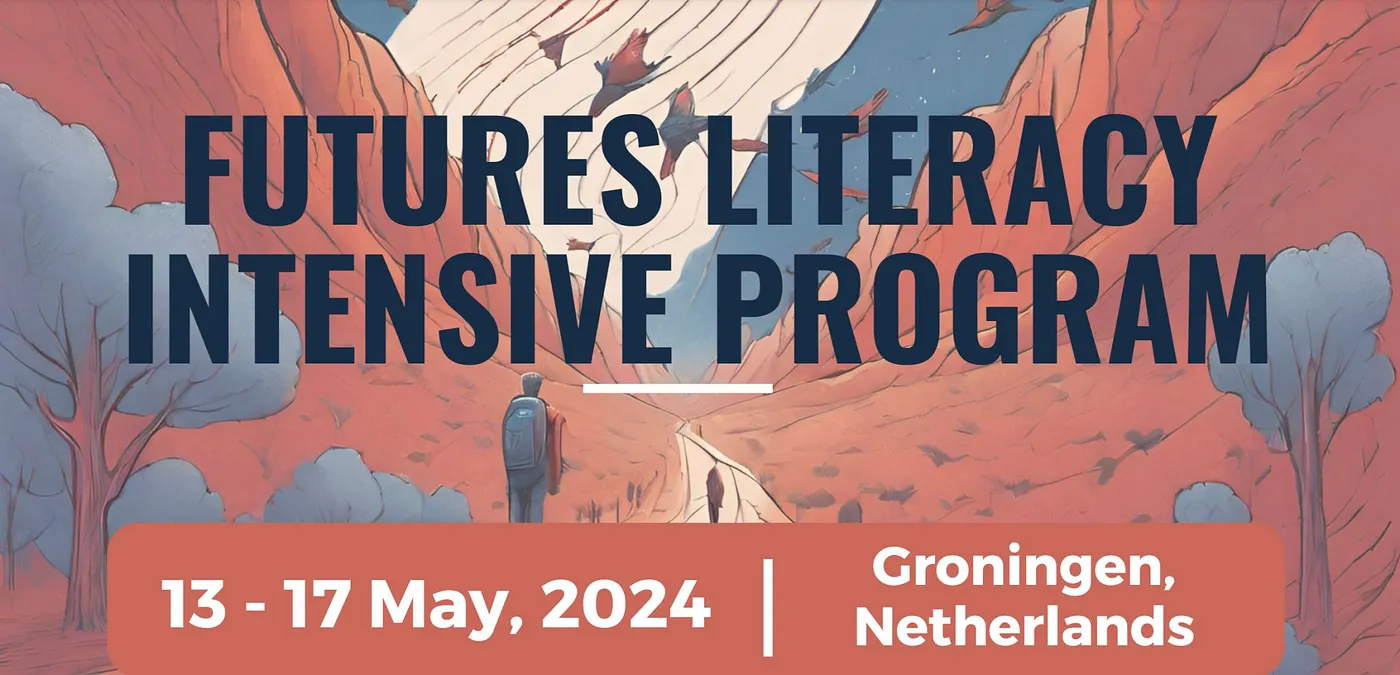
The third step towards Future Literacy was when I simultaneously started watching the new sci-fi series "Dark Matter," created by Blake Crouch, starring Joel Edgerton and Jennifer Connelly, on Apple TV+. Produced by Sony Pictures Television, it tells the story of Jason Dessen, a physicist abducted into an alternate version of his life, transforming wonder into nightmare as he navigates a labyrinth of realities to return to his true family. Watching the first two episodes of "Dark Matter" felt like a fantastic prelude to the exciting five-day Futures Literacy Intensive Program (FLIP) I attended in Groningen, Netherlands, from May 13–17, 2024.

This year's theme was Agency, and I was eager to explore how Futures Literacy can enhance our ability to envision and effect change. In a world overwhelmed by data and dire predictions, understanding our own agency is more crucial than ever. The program promised to delve into how our responses to future challenges can shape the outcomes we strive for.
Inspirational Talks and Readings
I had also been inspired by Loes Damhof's TED Talk on shaping our present by reimagining futures and read articles such as Doing vs not-doing: the rebirth of agency by Loes Damhof, and What Is 'Futures Literacy' and Why Is It Important? by Nicklas Larsen, Jeanette Mortensen, and Riel Miller. Another inspiring TED Talk I watched was Re-imagine the Future by Angela Oguntala. She discusses how our usual ideas of the future, like lab-grown meat or gadgets built into everyday objects, limit our creativity. She urges us to think bigger and imagine new possibilities that push the boundaries of innovation.
The Future Literacy Intensive Program: Days 1 and 2
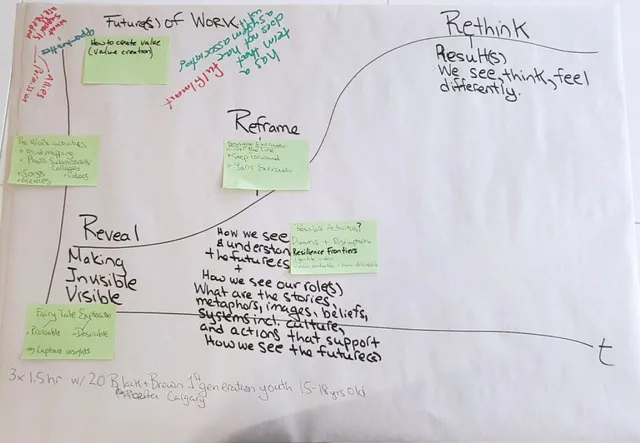
During the first two days of the Future Literacy Intensive Program, led by Riel Miller, Martin Calnan, Loes Damhof, and Ramila Khafaji Zadeh, we focused on the practical application of Futures Literacy through the Futures Literacy Laboratory framework. This innovative framework, designed by Riel Miller, aims to enhance our ability to use the future as a tool for better decision-making today. In small groups, we delved into the topic of Agency across three phases:
- Reveal:
- We started by exploring probable and desirable futures, articulating our hopes and expectations, setting the foundation for deeper exploration.
- Reframe:
- We stepped away from conventional future-thinking approaches to consider alternative, transformative possibilities that aren't necessarily probable or desired. This exercise was particularly enlightening as it pushed us to think outside the box.
- Rethink:
- The final phase brought us back to the present, where we used our newly gained perspectives to formulate relevant questions about current challenges and strategies, mostly related to Agency. This reflection was invaluable as it allowed us to apply our futuristic insights to current scenarios.
Insights from Days 3 and 4
On day 3, three guest speakers, Fabio Scarano, Craig Slee, and Nora Gherbi, shared their insights on the agency of the more-than-human world. On day 4, musician Tollak Ollestad introduced us to practical approaches to agency through interesting practices such as body percussion and more. We engaged in numerous group discussions and had meaningful conversations about what we learned.
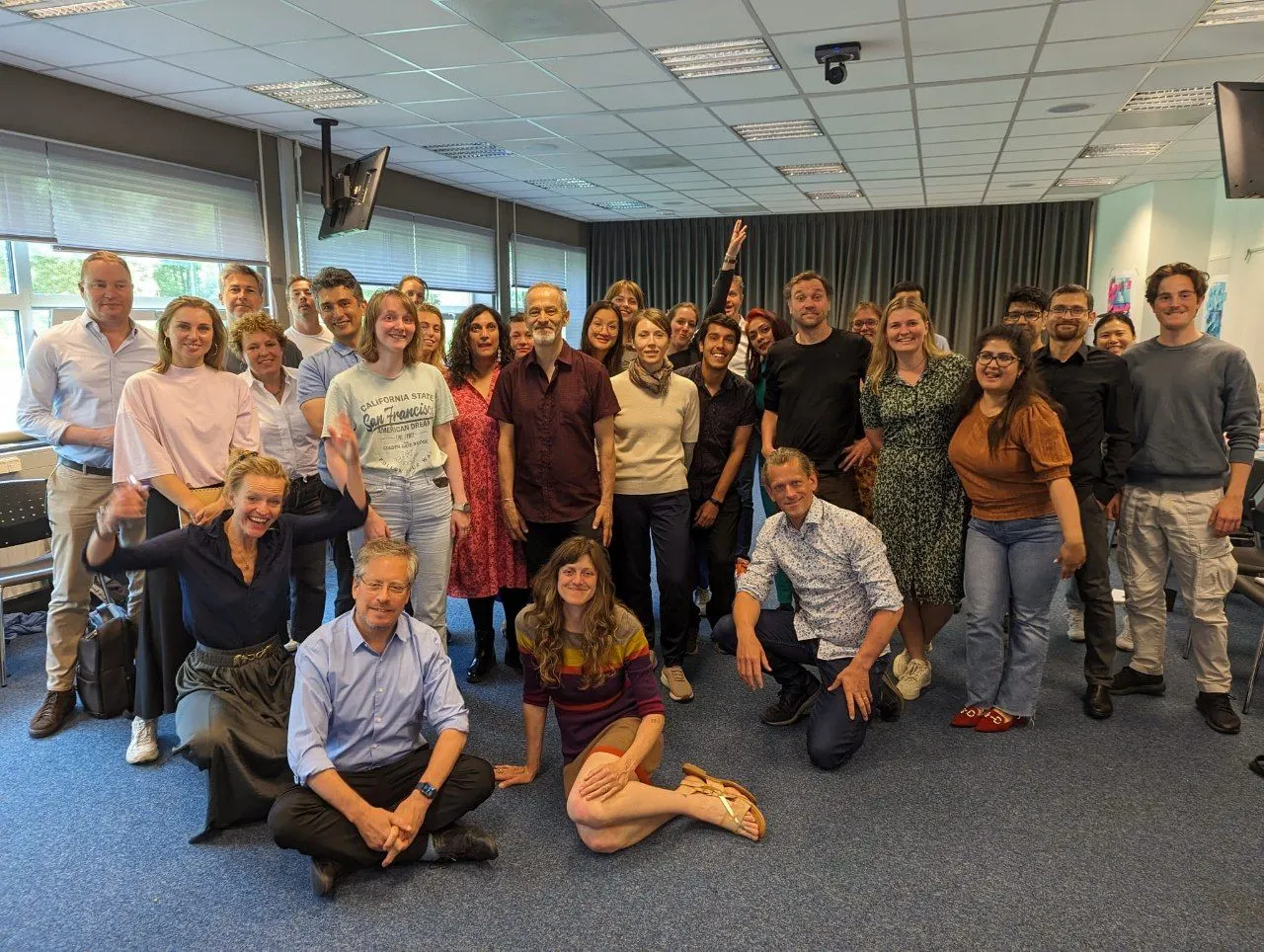
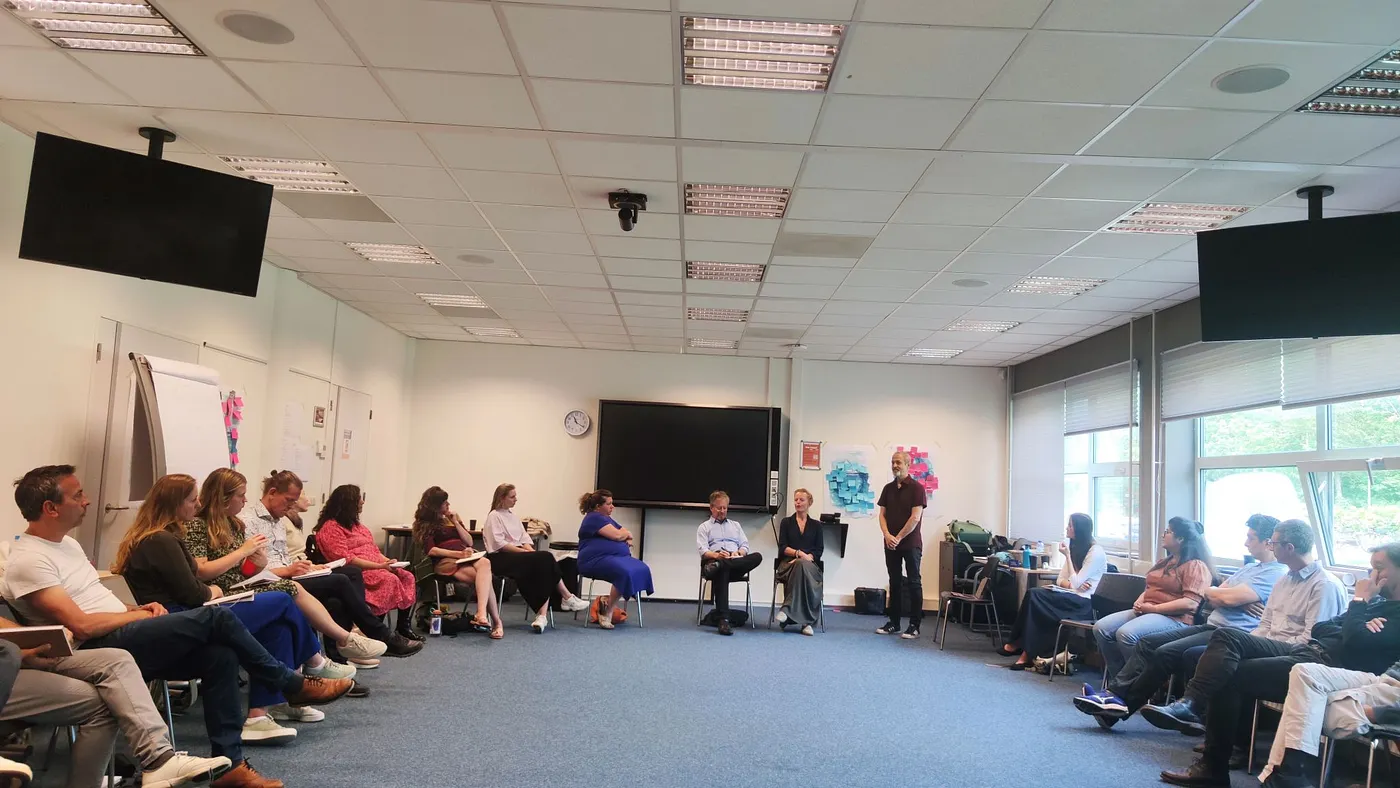
Key takeaways from days 3 and 4 included:
- Reflecting on not-yet-living beings can shift our perspective on the future.
- Agency isn't just about getting things done; it's also about wisdom and knowing when not to act (not-doing).
- Recognizing intuitive patterns is a form of agency.
- Music is a powerful way to express life's experiences.
- Asking "What can I do in this context?" helps us take agency over our future.
- Our limitations can become our superpowers.
- Progress is often messy, and we need to embrace and flow with it.
- In the context of Future Literacy, transformation matters more than transition because we don't know what the future holds. Therefore, we should be open to and rely on what's happening now.
- Instead of just focusing on getting things done, we should prioritize building meaningful collaborations and connections with others.
Final Day and Reflections
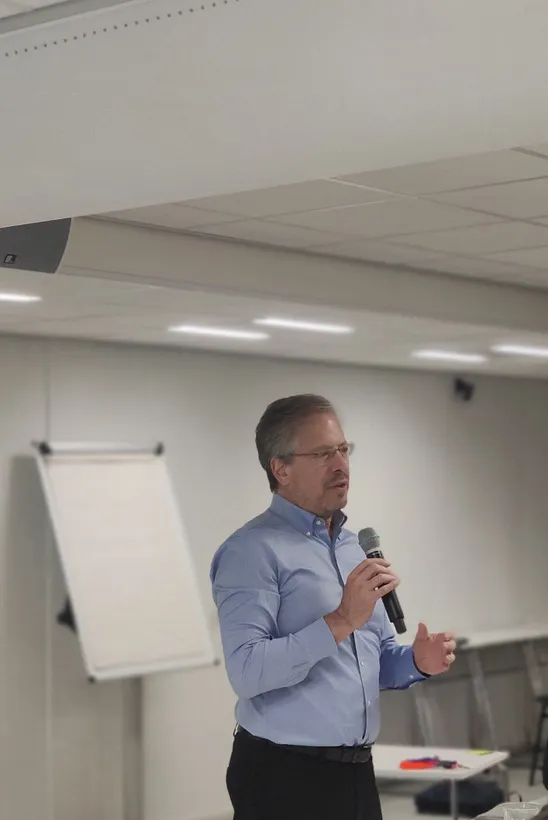
On the last day of the program, current participants and some previous attendees and FL alumni joined. Riel Miller discussed the complexities of understanding and anticipating the future, emphasizing that while knowledge is crucial, it doesn't guarantee a better future. Miller expressed skepticism towards rigid ideologies and human exceptionalism, arguing that these beliefs create an illusion of control and lead to alienation. He identified a gap in future studies and advocated for a capability-based approach that understands the world as emergent and complex.
Miller stressed the importance of breaking free from traditional anticipatory systems and fostering awareness of different paradigms. He called for a rigorous approach to understanding anticipation boundaries, helping us reframe our thinking and embrace emergent aspects of the future. Finally, he argued that our approach to anticipating the future significantly impacts our present. By embracing complexity and emergence, we can navigate uncertainties with creativity and resilience, moving towards a more adaptive and liberated future.
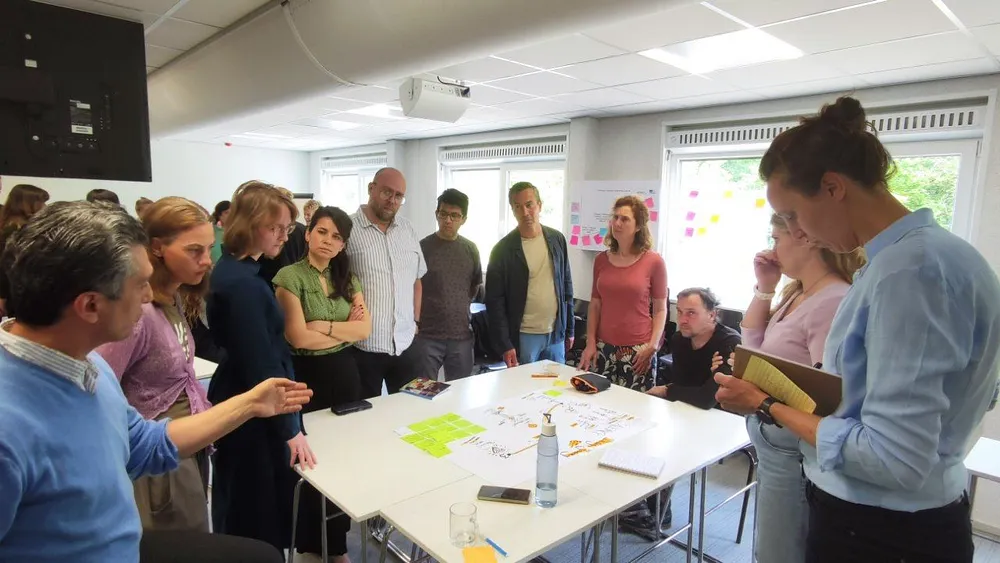
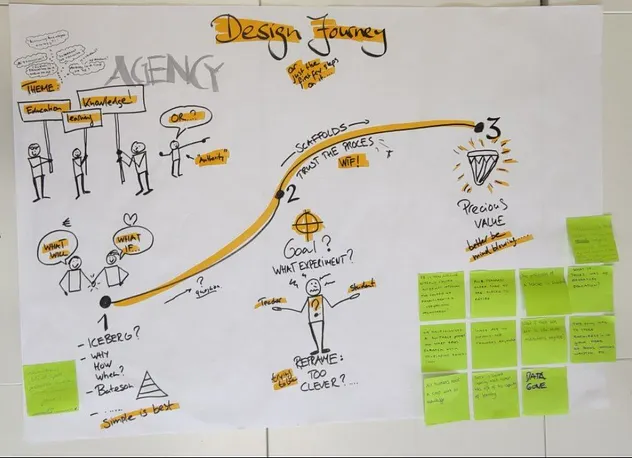
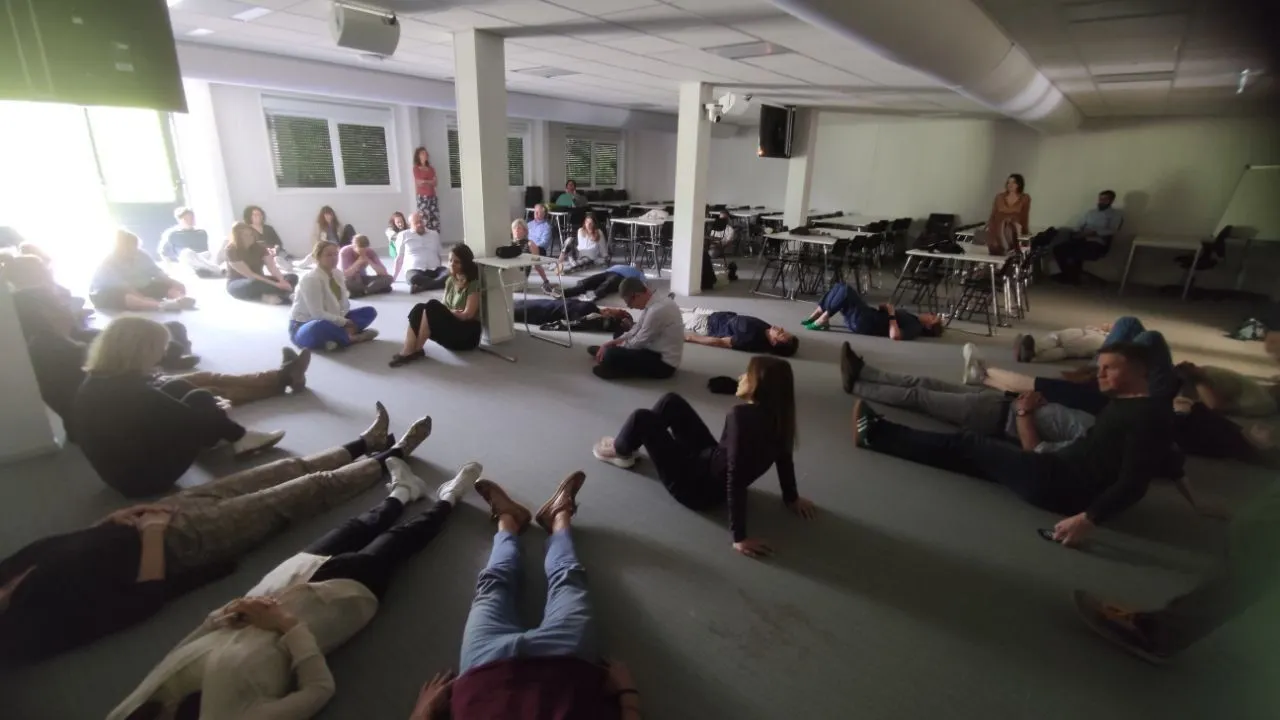
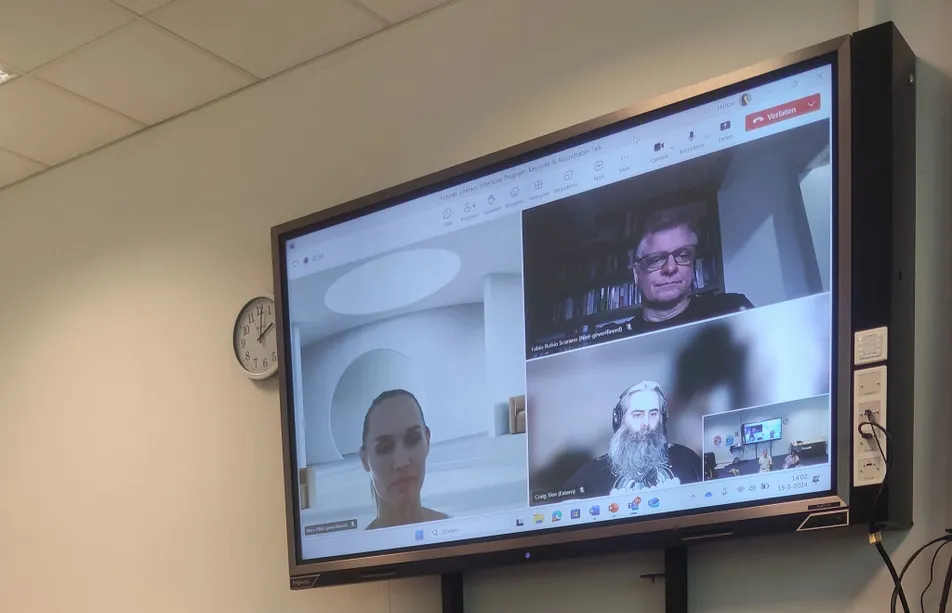
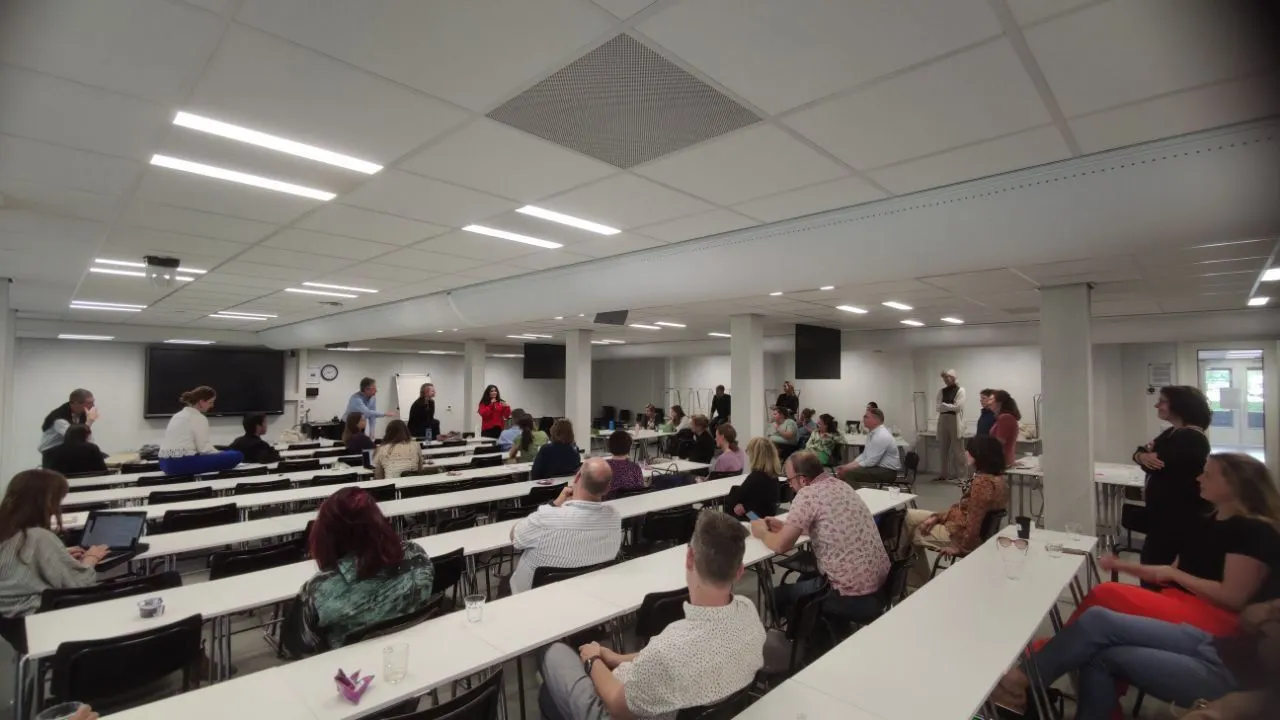
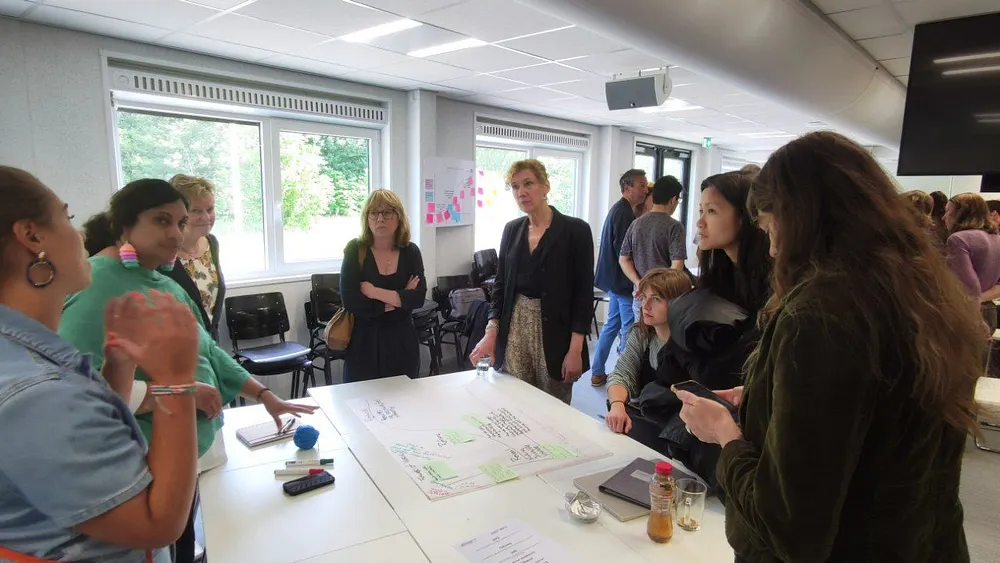
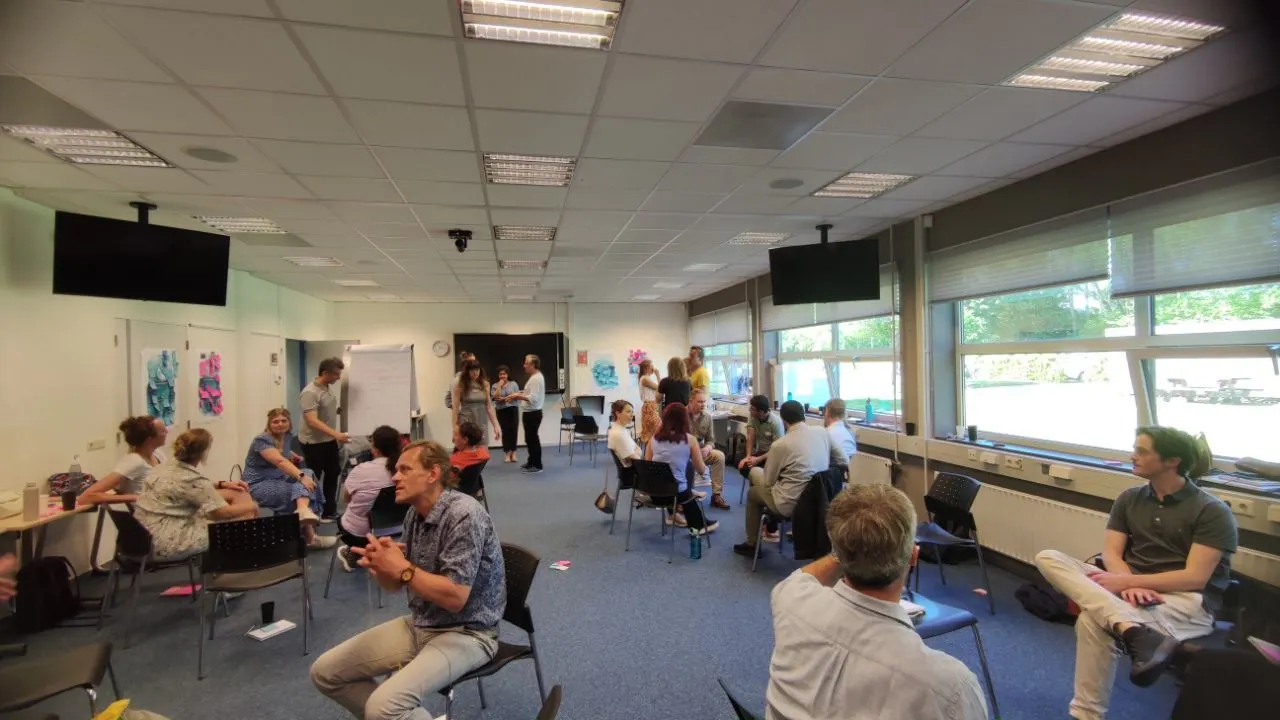
On the last day, four groups shared their designs for running Future Literacy Labs based on specific themes: the future of work, agriculture, learning, and cities. The exciting part was that I also engaged with a diverse and amazing group, including Erik Korsvik Østergaard, Alba Tiley, Halil Çikmazkara, Jip Otten, and Nok Boonmavichit, to design a one-hour workshop on the main theme of the program, Agency, without following any pre-existing framework. It was surprising how we started with no specific idea, and some of us were unsure whether to stay with this activity or change groups. But in a few hours, we finally designed and ran it for all participants.
I'm grateful for the insights and experiences from these sessions. They have really broadened my perspective on agency and collaboration. I'm excited to apply these lessons in the future. Thanks to Riel Miller, Loes Damhof, Martin Calnan, Ramila Khafaji Zadeh, Hanneke Brakenhoff and Dania Fang for all the effort and energy they put into helping me navigate my journey during these sessions at FLIP 2024 and MIC Program.
Futures Literacy Intensive Program (FLIP 2024)