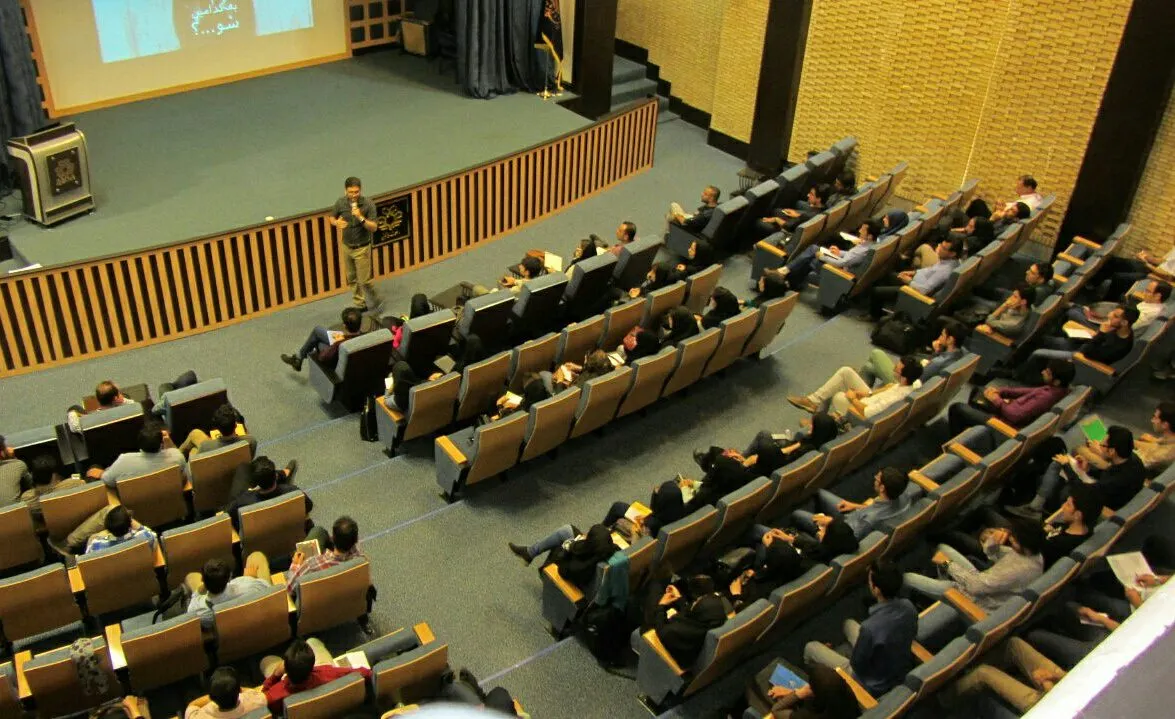
Ten years ago, we initiated the 20t030 community to help individuals in their twenties learn soft skills and understand the significance of the 20–30 age range. We have organized over 220 in-person events and more than 100 online events, attracting 20,000 attendees. Additionally, we have produced a podcast with over 90 episodes to share valuable insights, knowledge, and experiences. All these efforts are aimed at helping twenty-somethings develop crucial skills, gain meaningful insights, and make the most of this important decade in their lives. I also have given many talks and webinars about "Why the Twenties Matter" to share some main insights with the younger generation about the third decade of their life.
In this article, I'll share the main points I always talked about at these events.
I've started my presentation with the point that people in this period of their lives start to experience a new era. They begin to think and act more independently from their parents and family, start engaging with a wider circle of people, and have more opportunities to explore the world, thoughts, and emotions. Although they are freer to live, they still don't have many responsibilities that limit them in adulthood. This means they have the freedom to take more risks, experience more changes, and navigate various paths in their personal and professional lives.
Based on my experience of talking to and observing thousands of young people in this period, I have found that there are two risks each person in this age group should be aware of:
First, there are some strategic decisions we may postpone for various reasons. For example, we might not want to start working to make money or start living independently from our parents. However, sooner or later, around the age of thirty, for instance, we have to start making decisions such as living independently, starting to work, getting married, becoming parents, moving to another country, and more. These decisions come with a lot of responsibilities and require significant effort, time, and energy to cope with these challenges simultaneously. This can lead to a "Thirty-Something Syndrome," where we start questioning the purpose of our lives, struggling with "so what…?" situations, thinking about the meaning of our lives, and coping with our desirable and unlived life. This may put us under a lot of pressure, more than we can handle, resulting in harsh decisions affecting our physical and mental health.
The second risk is that while people postpone their strategic decisions, they unfortunately don't practice and learn life and soft skills, such as teamwork, leadership, negotiation, conflict management, critical thinking, strategic thinking, flexibility, tolerance, antifragility, and more. These skills and competences are essential to effectively cope with tough situations. It's same as an athlete who wants to participate in a tournament such as the Olympics but doesn't practice for many years to be prepared.
Finally, I believe that each twenty-something should deeply think about the world they are living in, their values, visions, and start learning about themselves. They should also increase their access to more opportunities to experience different things and face challenges outside their comfort zone to enrich their life experience. This includes volunteering, learning new languages, living, working, and studying abroad, learning new musical instruments, blogging, going on trips, backpacking and hitchhiking, reading different books, listening to various music genres, watching different movies or series, and making connections with people from other cultures. No one knows what the future holds or how many responsibilities they will have to take on, and they may have less time and energy to do so in the future.
For those who are in their twenties, it's essential to focus on a comprehensive set of activities and goals designed to maximize personal and professional growth during this pivotal decade, such as :
- Think Deeply About Your Values and Visions:
- Reflect on your personal values and future aspirations.
- Consider what kind of life you want to build for yourself.
- Write down your thoughts and revisit them regularly to track your growth.
- Gain Independence:
- Practice making independent decisions in daily life.
- Gradually start living independently from your parents, such as moving into your own place.
- Learn to manage your finances, including budgeting, saving, and investing.
- Explore and Take Risks:
- Take calculated risks in your personal and professional life to learn and grow.
- Experiment with different career paths, jobs, and internships to find your passion.
- Don't be afraid to fail; view failures as learning opportunities.
- Develop Life and Soft Skills:
- Join clubs, organizations, or groups that promote teamwork and leadership.
- Take courses or attend workshops on negotiation, conflict management, and strategic thinking.
- Engage in activities that require critical thinking and problem-solving.
- Experience New Cultures and Perspectives:
- Volunteer for different causes and communities to gain diverse experiences.
- Learn new languages through classes, apps, or language exchange programs.
- Immerse yourself in new cultures by living, working, or studying abroad.
- Engage in Personal Growth Activities:
- Learn to play a musical instrument or engage in other creative pursuits.
- Start a blog, vlog, or journal to document and share your experiences and thoughts.
- Travel frequently, whether it's local adventures or international trips, to broaden your horizons.
- Expand Your Horizons:
- Read a variety of books across different genres to gain new perspectives.
- Listen to diverse music and watch a wide range of movies and series to understand different cultures and ideas.
- Build meaningful connections with people from different backgrounds, cultures, and professions.
- Prepare for Future Responsibilities:
- Understand that your thirties may come with more responsibilities such as career advancement, marriage, and parenthood.
- Plan and prepare for these future milestones by setting goals and creating action plans.
- Develop a support system of friends, mentors, and family to help you navigate these transitions.
- Maintain Physical and Mental Health:
- Establish a routine that includes regular exercise, a balanced diet, and adequate sleep.
- Practice mindfulness, meditation, or other techniques to manage stress and maintain mental well-being.
- Seek professional help if needed to address any physical or mental health issues early on.
- Engage in Continuous Learning and Self-Improvement:
- Commit to lifelong learning by taking online courses, attending workshops, and staying updated with industry trends.
- Set personal development goals and regularly review your progress.
- Cultivate a growth mindset, embracing challenges and learning from experiences.
By focusing on these areas, you can make the most of your twenties and set up a strong foundation for your future. Every step you take towards improving yourself and exploring new things will lead to a richer, more fulfilling life.